
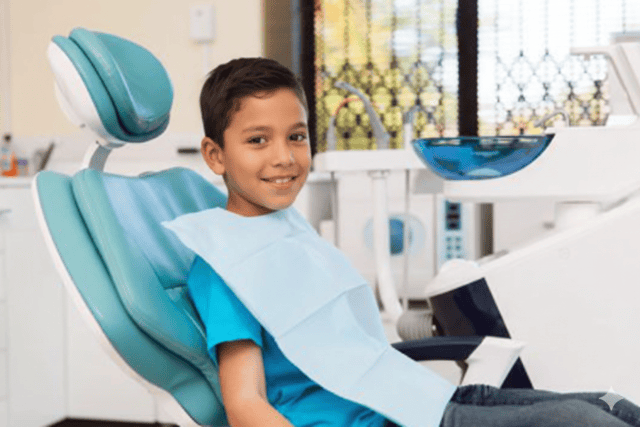
Children should see an orthodontist by age 7. At this stage, early evaluation allows orthodontists to detect bite issues, jaw growth problems, and habits like tongue thrusting before they become more complex.
As an orthodontist—and a parent of four children—I’ve had to face something I didn’t expect:
- Identify bite and jaw problems early
- Detect harmful habits like tongue thrusting
- Guide proper jaw development
- Reduce need for complex treatment later
Fixing my own kids’ tongue posture.
Two of my children developed tongue thrust habits, and over time, I watched their bite begin to shift.
This is something many parents don’t even realize is happening.
Why Tongue Posture Matters More Than You Think
Most parents have never heard about tongue posture—and honestly, many adults haven’t either.
But in orthodontics, this is one of the most important factors affecting how teeth develop.
- Open bite
- Crossbite
- Lateral open bite
- Spacing between teeth
- Shifting teeth after treatment
These issues are often not just about teeth—they’re about habits.
My Experience as a Parent (and Orthodontist)
Even with all my training, correcting tongue posture in my own kids has been one of the most challenging parts of orthodontics.
That’s because habits take time to change—and the earlier we identify them, the easier they are to correct.
When I explain this to parents, I often hear the same thing:
“I had no idea tongue posture could affect teeth like that.”
When Should Your Child See an Orthodontist?
Most children should have their first orthodontic evaluation around age 7, when enough permanent teeth have developed to identify alignment and growth issues.
At this stage, we can:
- Identify harmful habits early
- Guide jaw development
- Create space for permanent teeth
- Prevent more complex problems later
This doesn’t mean every child needs treatment—but it allows us to monitor growth at the right time. As both an orthodontist and a parent, I recommend age 7 because this is when we can influence growth—not just correct problems later.
Signs Your Child May Need Early Evaluation
- Mouth breathing or snoring
- Tongue thrusting or improper swallowing
- Crowding or spacing
- Crossbite or narrow jaw
- Speech concerns
Early Orthodontic Treatment in Anaheim Hills
At My Orange County Orthodontist, we provide personalized early orthodontic treatment in Anaheim Hills focused on growth, function, and long-term stability.
I take a special interest in helping children, teens, and even adults correct tongue posture—because it plays a critical role in lasting orthodontic results. early orthodontic treatment in Anaheim Hills
Schedule Your Child’s Orthodontic Evaluation
If you’re wondering whether your child may benefit from early orthodontic treatment, the best time to start is with a simple consultation.
Book a Complimentary Consultation